When it comes to small skin growths like moles or skin tags, many people wonder whether they are harmless, cosmetic, or something that needs medical attention. At Skinoza Clinic in London, we regularly see clients who are unsure whether they have a skin tag or a mole, and what the safest way to remove it is. Understanding the difference between these two types of lesions is essential before deciding on any form of skin removal treatment.
In this guide, we’ll explain what skin tags and moles are, how to tell them apart, when you should consider removal, and the safest and most effective skin removal treatments available in London.
What Are Skin Tags?
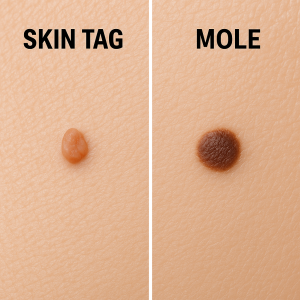
Skin tags, medically known as acrochordons, are soft, small, flesh-coloured growths that hang off the skin. They are completely benign and usually cause no pain or discomfort. However, they can be irritating when rubbed by clothing, jewellery, or during shaving.
Common causes of skin tags
Skin tags tend to appear in areas where the skin folds or experiences friction, such as:
-
Neck
-
Armpits
-
Groin
-
Under the breasts
-
Eyelids
They are more common in people who are overweight, pregnant, or have diabetes, although anyone can develop them. Genetics can also play a role.
Appearance
Skin tags are:
-
Soft and moveable
-
Attached to the skin by a small stalk (peduncle)
-
Usually the same colour as your skin or slightly darker
Because of their harmless nature, skin tags don’t need to be removed for medical reasons, but many people choose removal for cosmetic or comfort purposes.
What Are Moles?
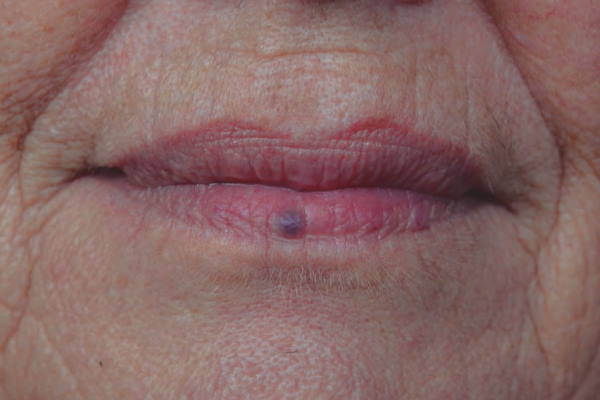
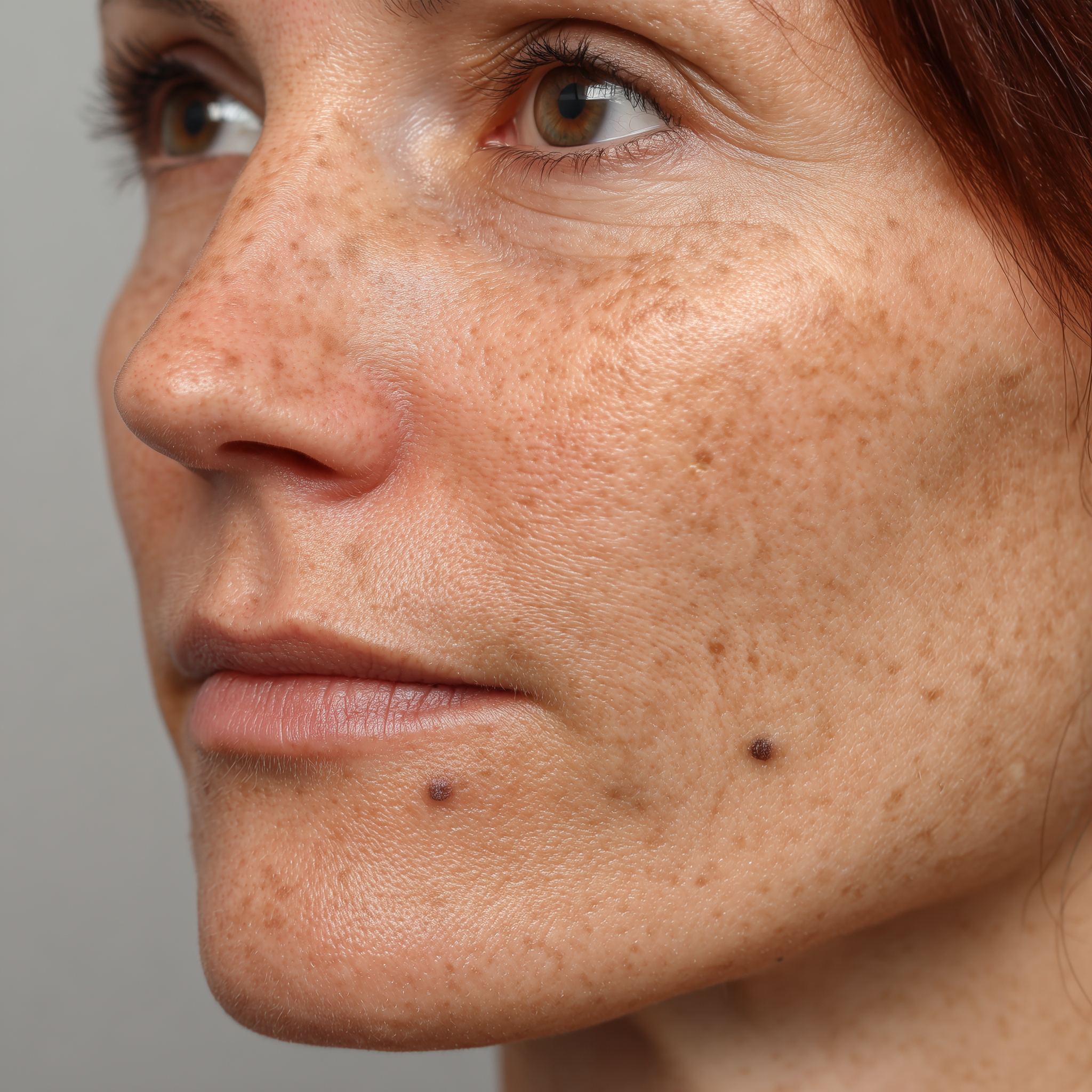
Moles, or naevi, are clusters of pigment-producing cells (melanocytes) that form visible spots on the skin. Most moles appear in childhood or adolescence and are generally harmless. However, unlike skin tags, moles have the potential to develop into melanoma, a type of skin cancer. This makes proper assessment by a medical professional important.
Appearance
Moles can be:
-
Flat or slightly raised
-
Round or oval in shape
-
Brown, tan, pink, or black in colour
-
Sometimes hairy
Moles can occur anywhere on the body, including areas not exposed to the sun.
When to be cautious
You should have a mole checked if it:
-
Changes shape, size, or colour
-
Develops irregular borders
-
Starts bleeding, itching, or crusting
-
Appears after the age of 30
If you notice these features, it’s best to consult a GP or dermatologist before considering removal.
Skin Tag vs Mole: How to Tell the Difference
Many people confuse moles and skin tags, especially when they appear in similar areas such as the neck or underarms. However, a few key differences can help distinguish them.
| Feature | Skin Tag | Mole |
|---|---|---|
| Texture | Soft, smooth, hangs off skin | Flat or slightly raised |
| Colour | Flesh-coloured or light brown | Tan, brown, or black |
| Shape | Irregular, stalked | Round or oval |
| Growth | Caused by friction | Cluster of pigment cells |
| Cancer risk | Harmless | Rarely, can become cancerous |
If you are uncertain, it’s always best to book a skin assessment at a professional clinic before attempting removal.
Can Skin Tags and Moles Be Removed Safely?
Yes — both skin tags and moles can be safely removed using medical or cosmetic procedures performed by trained specialists. The best method depends on the type, size, and location of the lesion.
At Skinoza Clinic in London, we offer advanced skin removal treatments designed to remove unwanted growths with precision and minimal discomfort.
Popular skin removal treatments include:
1. Cryotherapy
Cryotherapy uses liquid nitrogen to freeze and destroy unwanted tissue. It’s commonly used for skin tags and some superficial moles. The treated area may form a small scab and heal within a week or two.
2. Electrolysis (Thermo-coagulation)
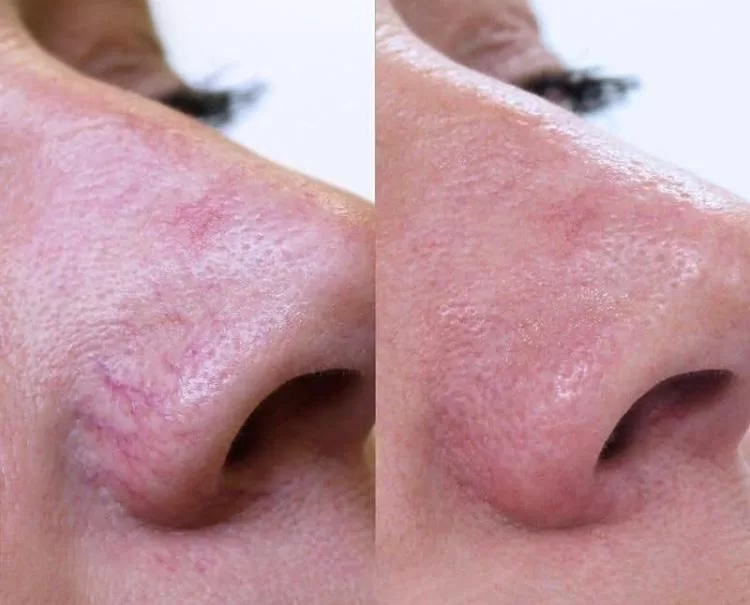
Electrolysis is a highly effective method that uses a fine probe to apply controlled heat energy to the lesion, causing it to dry up and fall off naturally. It’s particularly effective for skin tags, thread veins, and milia.
3. Laser skin removal
Laser treatment targets pigmented lesions without damaging the surrounding skin. It’s ideal for small moles and pigmented marks that don’t require surgical excision.
4. Surgical excision
For deeper or larger moles, a minor surgical excision may be recommended. This is performed under local anaesthetic by a trained medical professional. The mole is removed entirely, and the tissue can be sent for histology if needed.
Why You Should Avoid DIY Skin Tag or Mole Removal
Although there are many home removal kits and online remedies available, removing skin tags or moles yourself is not recommended. Doing so can lead to:
-
Infection
-
Bleeding
-
Scarring
-
Incomplete removal
-
Missed diagnosis of a cancerous mole
Only a qualified clinician can confirm whether a lesion is safe to remove and which method is most suitable.
At Skinoza Clinic, every client is first assessed by an experienced practitioner to ensure that the growth is benign and suitable for cosmetic treatment.
Skin Removal at Skinoza Clinic London
At Skinoza Clinic, our highly trained practitioners use advanced equipment and precise techniques to safely remove unwanted skin growths. Our clinic is fully equipped with medical-grade devices and adheres to strict hygiene and safety protocols.
What to expect during your appointment
-
Consultation and assessment
Your practitioner will examine the lesion, confirm whether it’s a skin tag, mole, or other lesion, and recommend the most suitable removal technique. -
Treatment procedure
The area is cleaned and numbed if necessary. The removal process usually takes just a few minutes. -
Aftercare guidance
You’ll receive detailed aftercare instructions to promote healing and minimise the risk of scarring.
Most people can return to normal activities immediately after treatment.
Aftercare Tips Following Skin Tag or Mole Removal
Aftercare plays an important role in achieving a smooth, clear result.
Follow these simple tips:
-
Keep the treated area clean and dry for 24 hours.
-
Avoid touching or scratching the area.
-
Do not apply makeup or perfumed products until fully healed.
-
Use SPF 30+ on exposed skin to prevent pigmentation.
-
Allow any scabs to fall off naturally — do not pick them.
Mild redness or swelling is normal and usually settles within a few days.
Frequently Asked Questions
Is skin tag or mole removal painful?
Most clients describe the sensation as mild warmth or a slight sting. Local anaesthetic is used if needed to ensure maximum comfort.
Will there be a scar?
When performed by trained professionals using the right technique, scarring is minimal or unnoticeable. Following aftercare advice helps achieve the best result.
Can all moles be removed at Skinoza Clinic?
We only remove moles that have been clinically assessed as benign. Suspicious or changing moles will be referred to your GP or dermatologist for medical evaluation.
How long does healing take?
Typically, the area heals within 7–14 days, depending on the size and method used.
How much does skin removal cost in London?
Prices vary depending on the number and type of lesions. At Skinoza Clinic, consultations are free, and the cost of treatment is confirmed during your appointment.
Choosing the Right Skin Removal Clinic in London
When selecting a clinic for skin tag or mole removal, always look for:
-
Qualified and experienced practitioners
-
Medical-grade equipment
-
Clear treatment options and pricing
-
A focus on patient safety and skin health
At Skinoza Clinic London, our specialists combine medical knowledge with advanced aesthetic technology to provide safe and effective skin removal procedures for all skin types.
Why Choose Skinoza Clinic for Skin Tag and Mole Removal
-
Experienced clinicians: All procedures are performed by qualified practitioners with medical and aesthetic expertise.
-
Safe, hygienic environment: CQC-registered clinic in Greenwich, London.
-
Advanced equipment: We use high-precision devices to ensure minimal discomfort and downtime.
-
Tailored treatments: Each procedure is customised based on your skin type, lesion size, and desired outcome.
-
Transparent pricing: No hidden fees — you’ll know the full cost before treatment begins.
We take pride in providing natural, scar-free results and a comfortable experience from consultation to aftercare.
 Call us: 020 3026 6094
 Visit us:
1. Skinoza Clinic – Blackhorse, 6, Frank Searle Passage, London E17 6ET
2. Skinoza Clinic – Greenwich, Unit 1, 61 Banning St, London SE10 0YH
3. Skinoza Clinic – Orpington, 1 Chislehurst Rd, Orpington BR6 0DF
 Open: Monday – Saturday, until 8 pm
 Book online: www.skinozaclinic.co.uk