Remove unwanted moles with confidence using advanced diathermy and electrolysis treatments designed for precision, comfort, and excellent cosmetic results.
Rediscover Clear Skin with Mole Removal at Skinoza Clinic
Moles are common, harmless skin growths — but sometimes, they can catch on clothing, cause irritation, or affect confidence. Whether you’d like a mole removed for cosmetic reasons or simply want peace of mind, Skinoza Clinic in London provides safe, professional and minimally invasive mole removal treatments.
Our skilled medical practitioners use modern techniques such as diathermy and electrolysis to remove benign moles quickly and comfortably, often in a single visit. We focus on achieving smooth, natural results with minimal downtime and transparent pricing so you always know what to expect.
Why Choose Private Mole Removal?
NHS services usually remove moles only if there’s a medical concern, such as suspected skin cancer. For many people, benign moles can still be frustrating — particularly those on the face, neck, or body that rub against clothing or affect appearance.
At Skinoza Clinic London, private mole removal offers:
Fast appointments with no long waiting lists.
Choice of removal method, tailored to your skin and mole type.
Experienced clinicians with a gentle, precise approach.
Same-day consultation and treatment, where suitable.
Minimal scarring and downtime thanks to advanced techniques.
Clear pricing and follow-up care included.
Our goal is simple: safe, effective mole removal with results you’ll feel good about.
 When Should a Mole Be Removed?
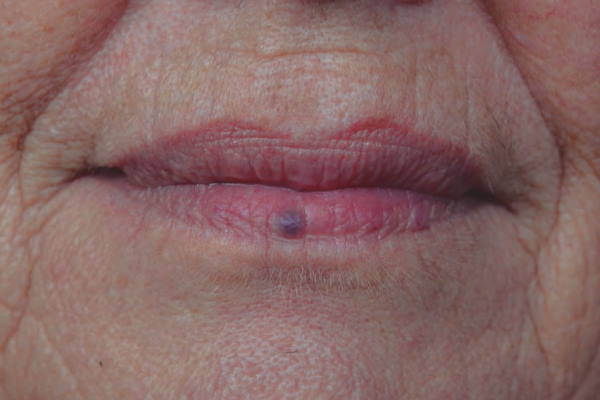
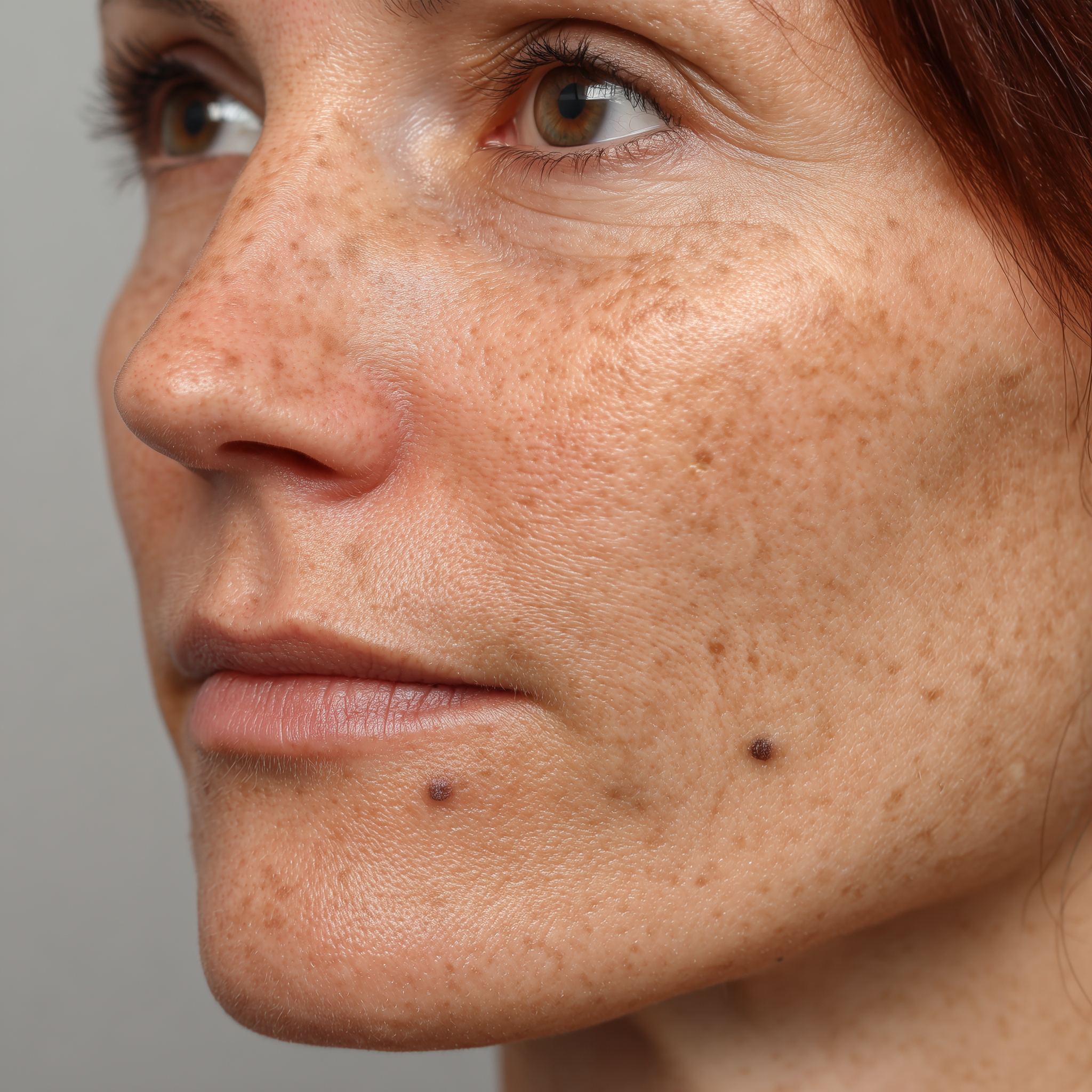
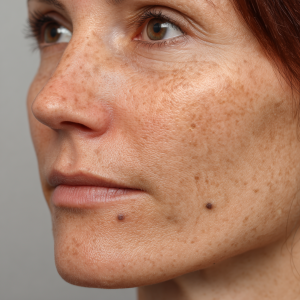
A mole (or naevus) is a cluster of pigmented skin cells that form a small spot or bump on the surface of the skin. While most are harmless, you may consider removal if:
The mole rubs on clothing or gets irritated.
It changes in shape, size, or colour.
It bleeds, itches, or becomes painful.
You wish to improve your appearance and feel more confident.
Before any procedure, your clinician will examine the mole carefully. If it appears suspicious, we’ll recommend histology testing (laboratory analysis) to confirm that it’s benign.
Types of Mole Removal Procedures
Different mole types require different removal methods. At Skinoza Clinic, we select the most appropriate technique for each case to achieve the best cosmetic and medical outcome.
1. Diathermy Mole Removal (Electrosurgery)
Diathermy — also known as electrosurgery — removes moles using a controlled, high-frequency electrical current that gently cuts and seals the skin at the same time.
It’s a quick, precise method suitable for small or raised benign moles.
Benefits:
Minimal bleeding due to instant cauterisation.
Faster healing time.
Excellent cosmetic results.
Usually completed in under 30 minutes.
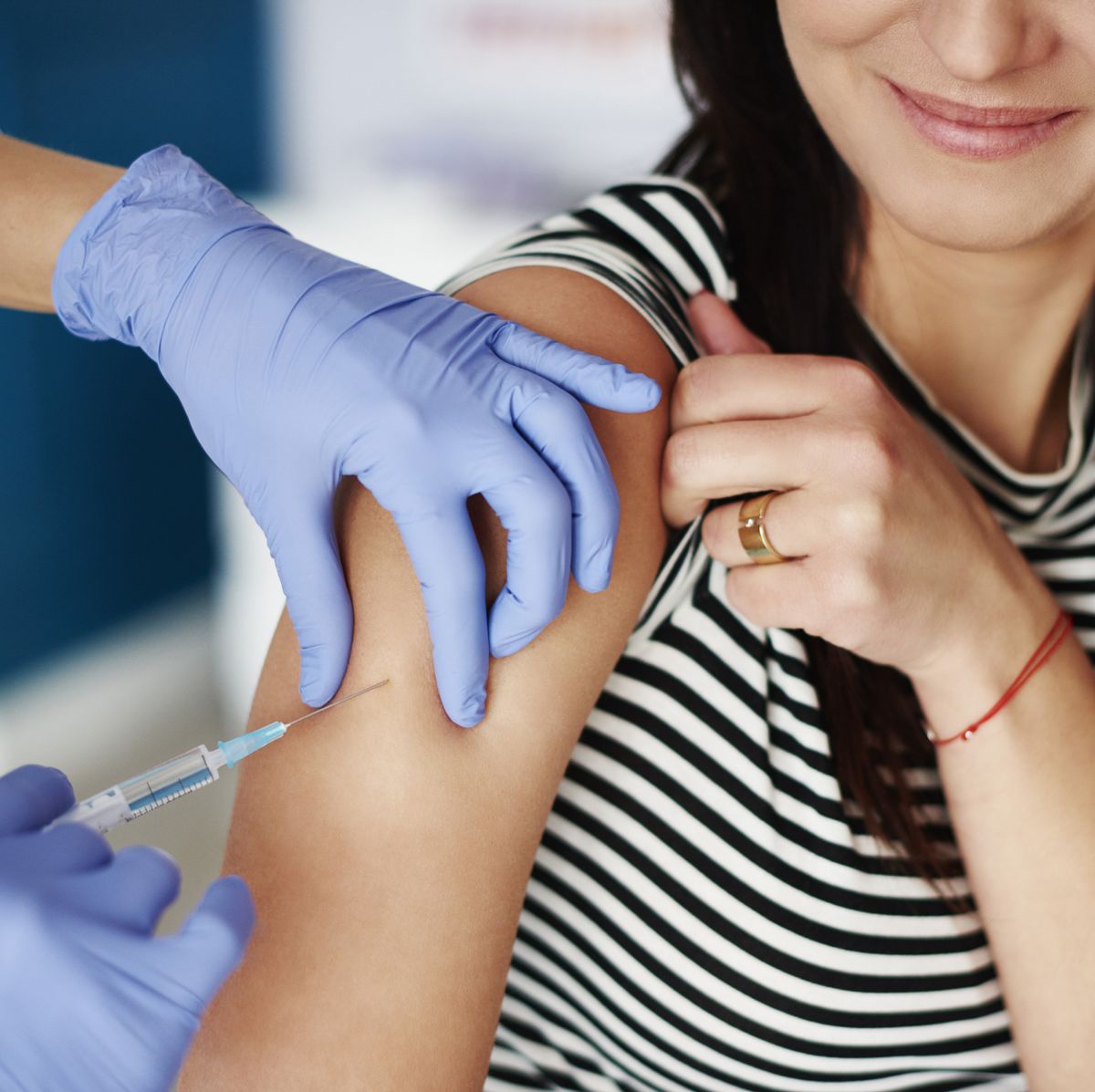
The procedure is carried out under local anaesthetic, so you’ll be comfortable throughout.
2. Electrolysis Mole Removal
Electrolysis uses a fine probe and a low electrical current to reduce or completely remove small raised moles.
This non-surgical method is designed for cosmetic mole reduction and is suitable for moles that have been clinically confirmed as benign.
Advantages:
No stitches or scalpel required.
Minimal downtime.
Good option for flesh-coloured or raised moles.
Electrolysis mole removal offers a gentle approach for patients seeking smoother skin without surgery.
3. Shave or Surgical Excision
For deeper or irregular moles, we may recommend shave excision or full surgical excision.
These methods remove the entire mole, including its root, under local anaesthetic.
Shave excision: removes the raised portion flush with the skin’s surface; suitable for benign raised moles.
Surgical excision: removes the full mole and root with a small margin of skin; the area is then closed with fine stitches.
This option allows the removed tissue to be sent for histology, giving medical reassurance and permanent results.
4. Laser Mole Reduction
For certain flat pigmented moles, laser treatment may be used to gradually fade or remove the mole.
Laser mole removal provides a scar-minimising option for purely cosmetic concerns, though it’s not appropriate for suspicious or deep lesions that need histology.
Safety and Quality at Skinoza Clinic
Every mole removal is carried out by an experienced medical practitioner in a clean, clinical environment.
Your safety and satisfaction are our priorities.
Before treatment, your clinician will:
Assess the mole and surrounding skin.
Explain all available options and expected outcomes.
Discuss possible risks such as scarring or pigment change.
Provide written consent and aftercare instructions.
Although excellent results are expected, it’s important to understand that no procedure can guarantee perfection, and minor marks may remain. Our team always aims for the best cosmetic outcome while prioritising medical safety.
Mole Removal Cost in London
Mole removal prices in London vary depending on the mole’s size, location, complexity, and whether laboratory testing is needed.
At Skinoza Clinic, we believe in fair, transparent pricing with all essential care included.
| Treatment Type | Typical Price Range | Includes |
|---|---|---|
| Small raised mole (diathermy/electrolysis) | £180 – £300 | Local anaesthetic, procedure, aftercare |
| Shave excision (benign mole) | £345 – £450 | Removal, dressing, aftercare |
| Surgical excision with histology | £500 – £750 | Full removal, stitches, histology, follow-up |
| Additional moles (same visit) | from £100 each | Discounted add-on price |
Your clinician will confirm the most suitable approach and provide a personalised quote after examination.
What Happens During Mole Removal?
Consultation:
You’ll meet your clinician, who will examine the mole, discuss your goals, and explain treatment options.Anaesthetic:
A small injection of local anaesthetic ensures you feel no discomfort during the procedure.Removal:
The mole is carefully removed using the chosen method — diathermy, electrolysis, or excision — in a clean, controlled setting.Aftercare:
The treated area is cleaned and covered with a sterile dressing. You’ll receive detailed advice on how to care for it at home.
The full appointment usually takes 20–30 minutes, and most clients return to normal activities immediately afterwards.
Aftercare and Recovery
Proper aftercare supports fast healing and an excellent cosmetic result.
General advice:
Keep the area clean and dry for the first 24 hours.
Avoid touching or picking at the scab.
Use gentle antiseptic ointment if advised.
Protect the treated area from direct sunlight until fully healed.
Avoid swimming, saunas, or heavy workouts for a few days.
Healing time typically ranges from 7 to 21 days, depending on the treatment method and location.
Possible Risks or Side Effects
Mole removal is a minor procedure, but like any treatment, it carries small risks. These include:
Mild redness or tenderness around the treated area.
Temporary scabbing or crusting.
Slight risk of pigmentation changes (lighter or darker spot).
Small scar, usually faint and flat.
Rare infection or recurrence of the mole.
At Skinoza Clinic, meticulous technique and post-treatment care reduce these risks significantly.
Comparing Diathermy and Electrolysis
| Feature | Diathermy | Electrolysis |
|---|---|---|
| Best for | Small or raised moles | Tiny, benign, raised moles |
| Pain level | Minimal (local anaesthetic used) | Mild tingling only |
| Downtime | 1–2 days | Same-day recovery |
| Histology sample | No | No |
| Typical cost | £180–£300 | £150–£250 |
Both techniques are ideal for benign mole removal with excellent aesthetic outcomes.
If histology is required, surgical excision is the preferred approach.
Frequently Asked Questions
1. Is mole removal painful?
No — a local anaesthetic ensures that the procedure is comfortable. You may only feel a small sting from the injection.
2. Will there be a scar?
A minor mark is possible, but our careful techniques are designed to keep scarring minimal and discreet.
3. How long will it take to heal?
Most areas heal within 1–3 weeks, depending on the method and skin type.
4. Can facial moles be removed?
Yes. We perform facial mole removals frequently, using precision methods to preserve natural skin texture and tone.
5. Do you send the mole for testing?
If your clinician sees any signs that warrant further investigation, the mole will be sent for histology (laboratory testing).
6. Can all moles be removed with diathermy or electrolysis?
No. Deep or irregular moles may need surgical excision for complete removal and testing.
How to Choose a Mole Removal Clinic in London
When choosing where to have your mole removed, always check:
The procedure is performed by a qualified medical practitioner.
The clinic uses sterile techniques and medical-grade equipment.
You are offered a full consultation and consent process before treatment.
The clinic provides clear aftercare support and transparent pricing.
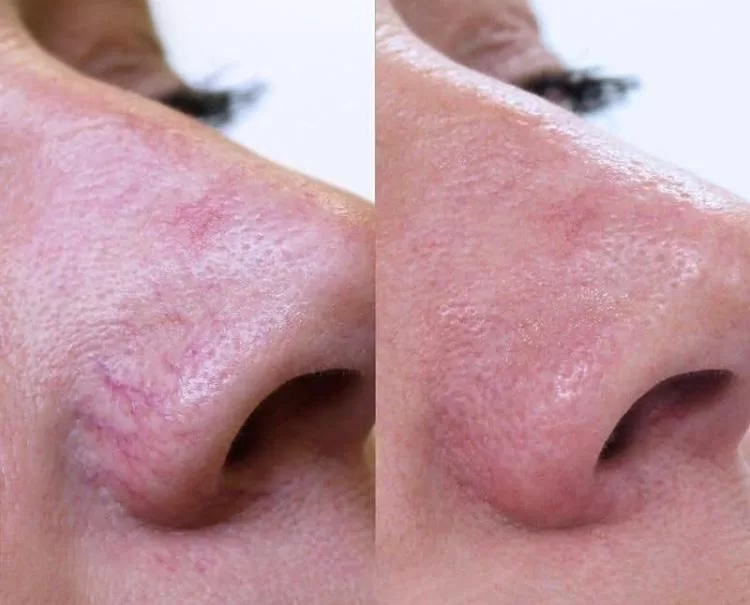
Reviews and before-and-after photos show real, natural results.
Skinoza Clinic offers all these assurances — combining medical expertise with an aesthetic approach to ensure both safety and satisfaction.
Why Choose Skinoza Clinic for Mole Removal?
Experienced medical team with advanced skin treatment expertise.
Personalised treatment plans tailored to your skin type and concerns.
Modern technology including diathermy and electrolysis.
Natural-looking results with minimal scarring.
Fair, transparent pricing with full aftercare support.
Convenient London location in Greenwich, easily accessible from Orpington, Bromley, and Central London.
Extended opening hours — open until 8 pm for flexible appointments.
At Skinoza Clinic, we combine medical precision with aesthetic understanding to deliver results that look and feel natural.
Book Your Consultation
If you’re considering mole removal in London, we’ll be happy to assess your skin and explain the best options for you.
 Call us: 020 3026 6094
 Visit us:
1. Skinoza Clinic – Blackhorse, 6, Frank Searle Passage, London E17 6ET
2. Skinoza Clinic – Greenwich, Unit 1, 61 Banning St, London SE10 0YH
3. Skinoza Clinic – Orpington, 1 Chislehurst Rd, Orpington BR6 0DF
 Open: Monday – Saturday, until 8 pm
 Book online: www.skinozaclinic.co.uk