Toenail Surgery at Skinoza Clinic

Expert care for painful, infected or ingrown toenails
At Skinoza Clinic, we understand that foot problems can be painful, frustrating and sometimes embarrassing. Ingrown toenails, thickened nails, infections or trauma-related nail changes can make everyday activities uncomfortable. Our toenail surgery service provides a safe, effective and permanent solution — performed by experienced clinicians in a comfortable, hygienic environment.
Whether you need a partial nail removal for an ingrown toenail or a complete nail excision due to persistent infection, we offer tailored treatments to restore comfort, confidence and healthy nails.
What is toenail surgery?
Toenail surgery is a minor surgical procedure used to remove part or all of a toenail that is causing pain, infection or recurrent ingrown problems. The procedure is usually performed under local anaesthetic, meaning you remain awake but the toe is completely numb.
The most common reason for toenail surgery is an ingrown toenail (onychocryptosis), where the edge of the nail grows into the surrounding skin, causing redness, pain and sometimes infection. Other reasons include:
● Persistent infection: That doesn’t respond to antibiotics or nail trimming.
● Recurrent inflammation: From an old injury or pressure from footwear.
● Cosmetic reasons: When a damaged or discoloured nail affects confidence.
At Skinoza Clinic, toenail surgery is performed by qualified professionals experienced in both medical and aesthetic foot care, ensuring your comfort and best possible cosmetic outcome.
Common conditions treated
1. Ingrown Toenail
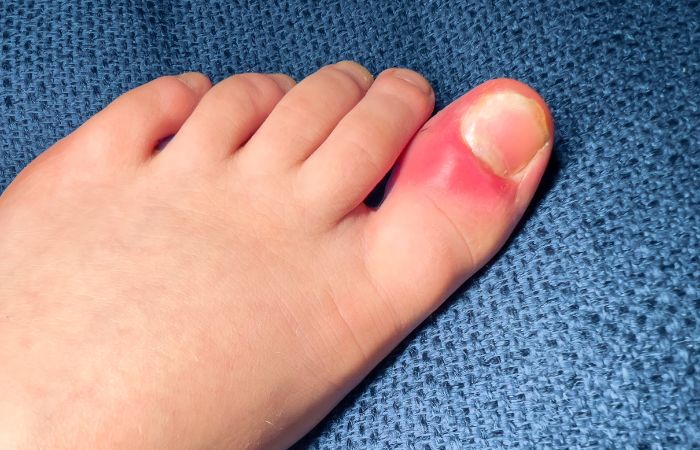
An ingrown toenail happens when the edge of the nail curls and digs into the surrounding skin. This causes pain, swelling and, if left untreated, infection. (NHS)
Typical causes include:
● Tight or ill-fitting footwear.
● Poor nail cutting technique.
● Injury or repetitive trauma to the toe.
● Naturally curved nails or genetic predisposition.
2. Thickened or Damaged Toenail
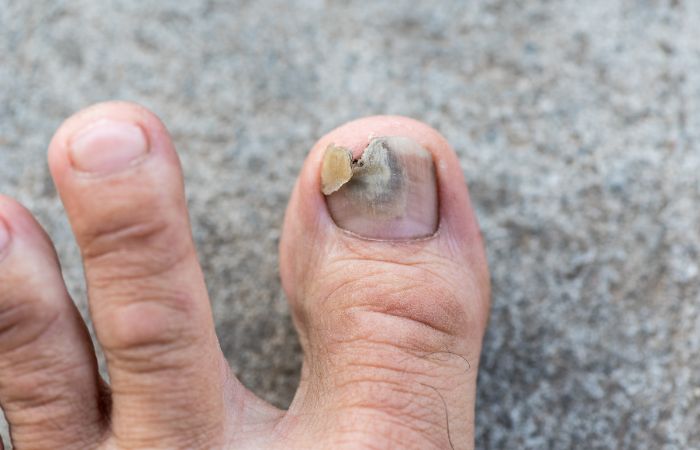
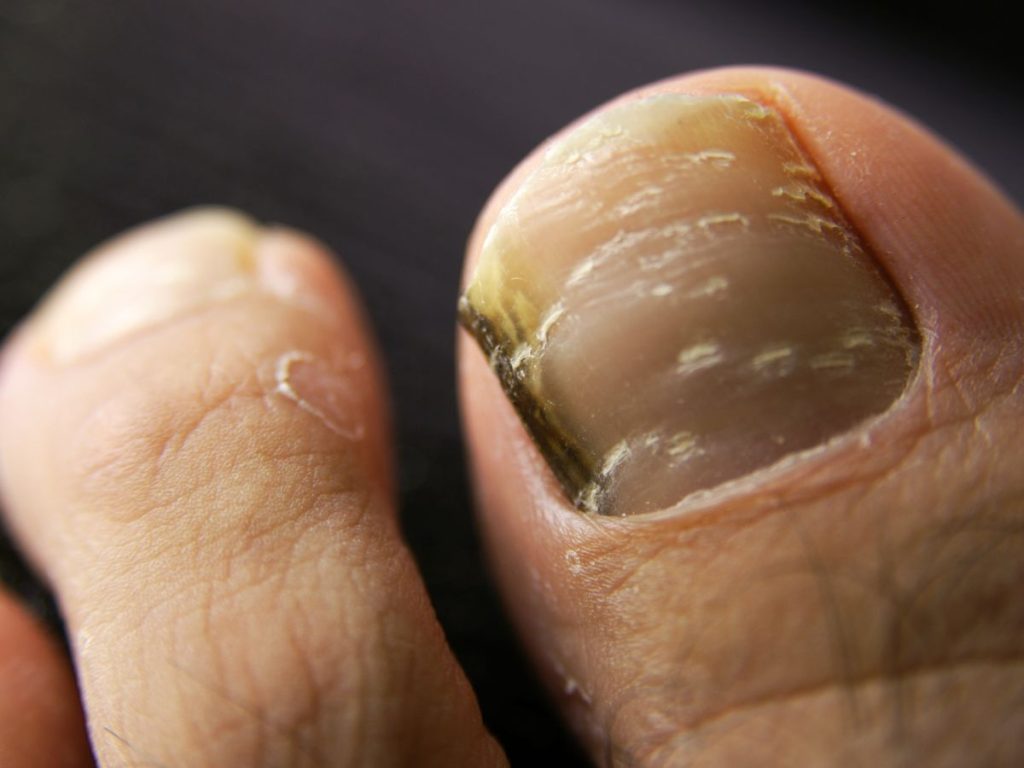
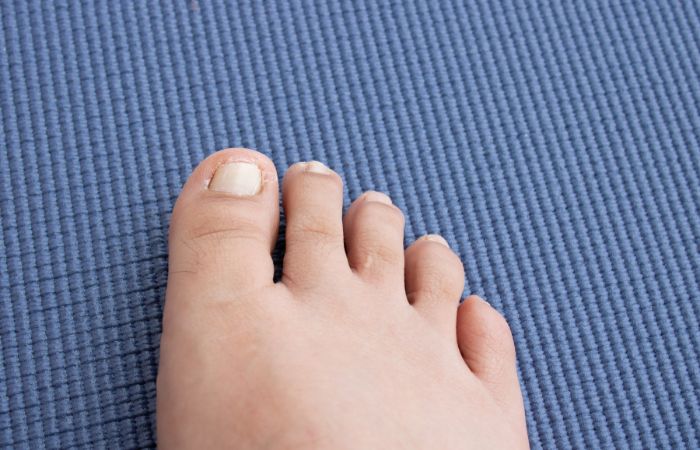
Sometimes nails become abnormally thick or lifted due to trauma, fungal infection (onychomycosis) or previous surgery. Surgical removal allows a new, smoother nail to grow.
3. Nail Bed Infection or Abscess
An infected nail fold can be extremely painful and swollen. Surgical drainage may be required to relieve pressure and remove any trapped pus.
4. Cosmetic Nail Problems
Some patients seek nail removal for long-standing deformities or discolouration that doesn’t respond to topical treatments, particularly on visible toes (like the big toe).
Why toenail surgery might be right for you
You might consider toenail surgery if:
● You experience persistent pain from an ingrown or infected nail.
● The nail repeatedly grows into the skin despite proper trimming.
● Antibiotics or conservative care haven’t worked.
● You have difficulty wearing shoes or walking comfortably.
● The nail’s appearance causes embarrassment or distress.
Toenail surgery offers a long-term solution — once the problematic nail edge or nail matrix is treated, the issue is unlikely to recur.
Types of toenail surgery at Skinoza Clinic
We provide a range of minor surgical procedures, depending on the extent of the problem:
1. Partial Nail Avulsion (PNA)
● The most common treatment for an ingrown toenail.
● Only the offending edge of the nail is removed.
● The base of the nail (matrix) may be treated with a chemical (phenol) to prevent regrowth.
● Quick, effective and minimal downtime. (NHS)
2. Total Nail Avulsion (TNA)
● The entire nail plate is removed.
● Recommended for thick, damaged or severely infected nails.
● The underlying nail bed is smoothed and cleaned.
● Depending on your condition, the nail may regrow naturally, or regrowth can be prevented permanently.
3. Nail Bed Surgery
● Used to correct deformities or repair trauma.
● May involve reshaping the nail bed or removing scar tissue.
4. Drainage of Abscess or Infection
● For painful, pus-filled infections, drainage relieves pressure and speeds healing.
● Usually combined with antibiotics and nail edge removal if necessary.
Your toenail surgery journey at Skinoza Clinic
Step 1 – Consultation and assessment
Your journey begins with a detailed consultation. We assess your affected toe, discuss your symptoms, medical history and any previous treatments.
If infection is present, we may prescribe antibiotics before surgery to reduce inflammation.
We will explain your treatment options, including what to expect, possible risks, healing time and after-care requirements. You’ll have plenty of time to ask questions so you can make an informed decision.
Step 2 – Procedure day
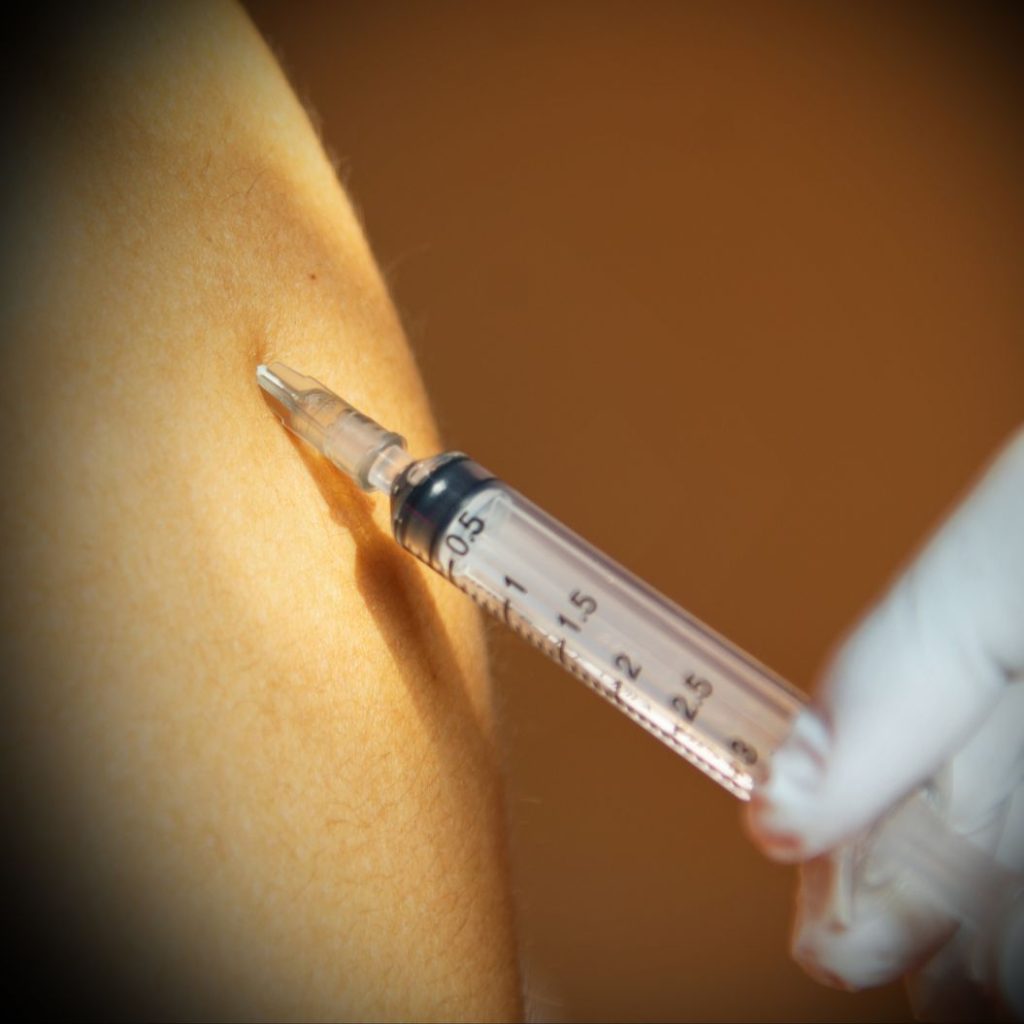
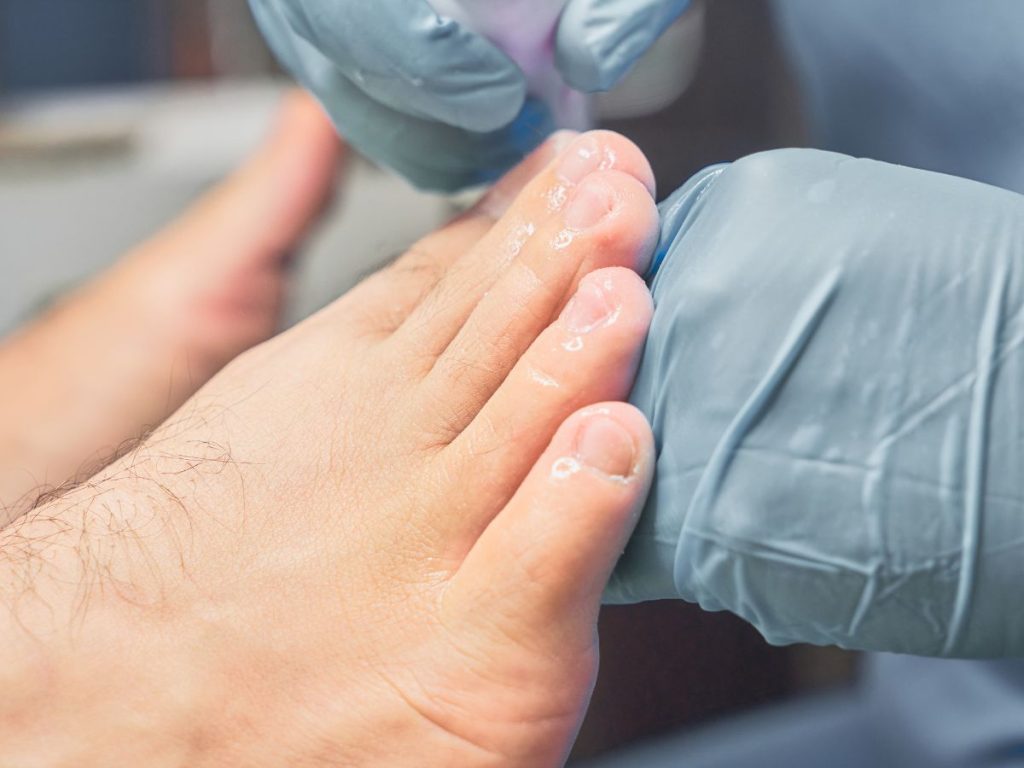
● The area is cleaned, sterilised and local anaesthetic is injected at the base of the toe.
● Once the toe is numb, the affected portion (or whole nail) is carefully lifted and removed.
● If required, a small amount of phenol or sodium hydroxide may be applied to prevent the removed section from regrowing.
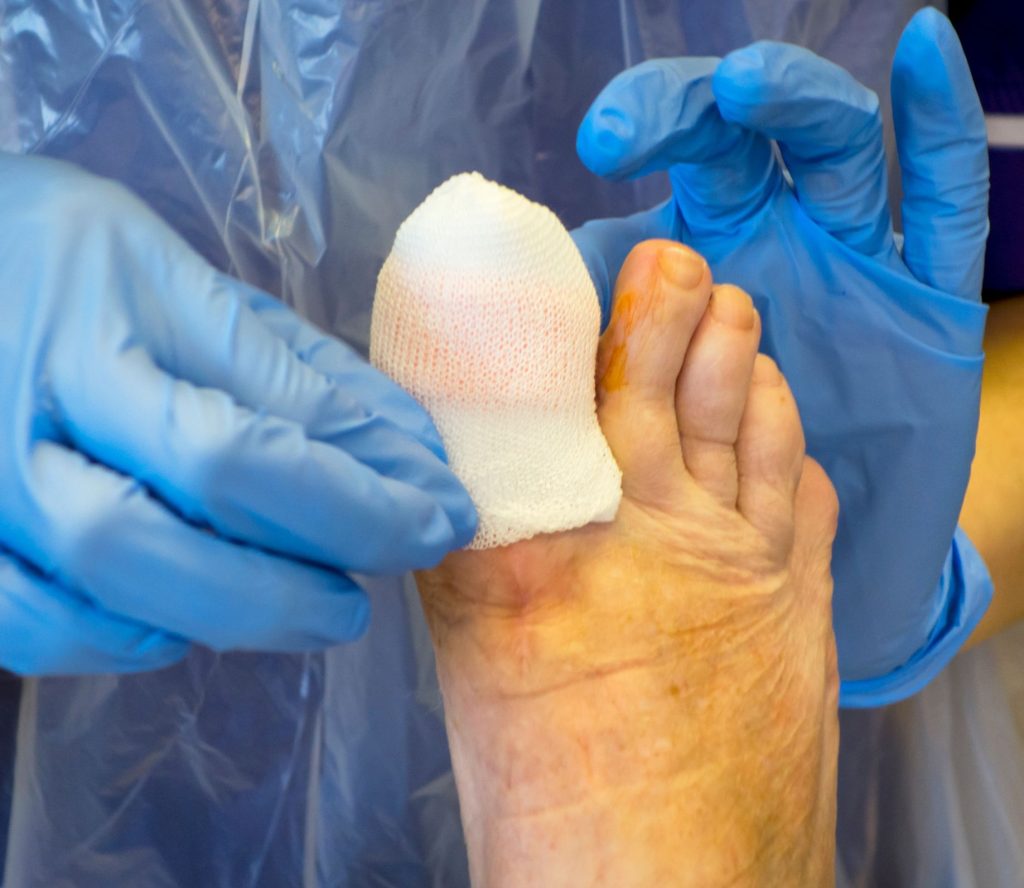
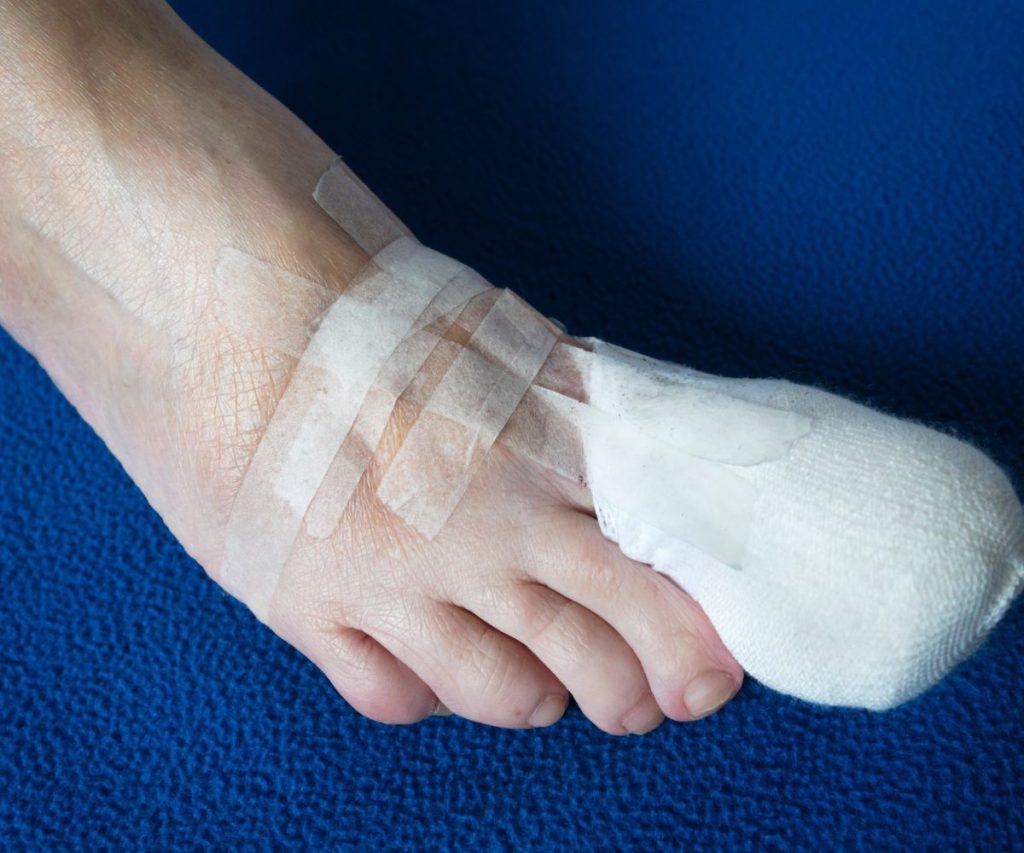
● The wound is dressed with sterile gauze and protective bandage.
● The whole procedure usually takes 30–60 minutes and is performed in our minor surgery treatment room.
Step 3 – After-care and recovery
We provide clear written instructions on how to care for your toe post-surgery.
Typical recovery steps include:
● Keep the dressing dry and clean for the first 24–48 hours.
● After that, perform daily salt-water soaks and apply a clean dressing.
● Avoid tight footwear and vigorous exercise until the area heals.
● Most patients return to work or normal daily activities within 1–2 days (desk jobs) or up to a week for active roles.
● Healing is usually complete in 4–6 weeks.
We’ll schedule a follow-up appointment within 1–2 weeks to review healing and redress the toe if needed.
Advantages of toenail surgery at Skinoza Clinic
● Permanent solution: Eliminates recurring ingrown nails.
● Minimal downtime: Return to most daily activities within a few days.
● Expert clinicians: Our team has years of experience in minor surgical and aesthetic procedures.
● Clean, modern facilities: Sterile environment for maximum safety.
● Personalised care: We tailor each procedure to your foot shape, nail growth pattern and lifestyle.
What to expect after the procedure
After toenail surgery, it’s normal to experience:
● Mild throbbing once the anaesthetic wears off (manageable with paracetamol).
● Minor bleeding through the dressing within the first 24 hours.
● Some swelling or tenderness.
You should keep your foot elevated when resting to reduce swelling.
We advise against driving immediately after the procedure, especially if the treated foot is your driving foot.
Healing timeline
● Day 4–7: You can start gentle salt-water soaks.
● Week 2: Wound forms a protective scab; pain usually resolved.
● Week 3–6: Skin gradually heals; scab falls away naturally.
If the nail matrix was destroyed (for permanent removal), the area will heal with smooth skin where the nail once was. If not, a new nail begins to regrow slowly over the following months.
Risks and possible side-effects
Toenail surgery is considered safe and low-risk when performed by trained professionals, but as with all procedures, potential complications include:
● Infection – uncommon; treated promptly with antibiotics.
● Bleeding or delayed healing.
● Regrowth of nail edge – if the matrix wasn’t completely destroyed.
● Temporary numbness or tenderness.
● Allergic reaction (rare) to anaesthetic or dressing material.
● Scarring or uneven regrowth in some cases.
Our clinicians take every precaution to minimise these risks and ensure quick recovery. We’ll discuss these fully during your consultation.
Tips for a smooth recovery
● Rest your foot for the first day or two.
● Keep the toe clean, dry and elevated when possible.
● Avoid tight-fitting shoes; opt for open-toed sandals initially.
● Use over-the-counter pain relief as advised.
● Do not attempt to remove your dressing early.
● Attend your scheduled follow-up for dressing change and review.
● Avoid swimming until the wound has fully healed.
If you notice increased pain, redness, swelling, pus or fever, contact the clinic immediately — early management prevents complications.
Long-term benefits of toenail surgery
● Improved comfort: When walking or wearing shoes.
● Better appearance: Smooth, healthy toe once healed.
● Reduced infection risk: Due to removal of problematic nail edge.
● Improved confidence: In foot hygiene and appearance.
Many patients say they wish they’d had the procedure sooner, as toenail surgery can dramatically improve day-to-day comfort and mobility.
Toenail surgery vs. non-surgical options
In mild cases, conservative measures may be tried first:
● Correct nail-cutting technique (straight across).
● Warm salt-water soaks to reduce inflammation.
● Wearing open or wide shoes.
● Antibiotics or antiseptic creams if infection is present.
● Podiatric nail bracing or cotton packing (for mild ingrown nails).
However, when the nail repeatedly grows into the skin or infection recurs, surgery is the most reliable permanent fix. Non-surgical approaches often only provide temporary relief.
FAQ
The procedure itself is completely pain-free thanks to local anaesthetic. You may experience mild soreness once the anaesthetic wears off, which is easily managed with painkillers.
Around 30–60 minutes, depending on whether one or both sides of the nail are treated.
If only part of the nail was removed and the matrix not destroyed, that section will regrow. If we treat the matrix with phenol or remove it completely, regrowth will not occur — this provides a permanent solution.
Most patients heal fully in 4–6 weeks. You can walk normally soon after surgery, though full healing takes a little longer.
Yes — gently. You can walk out of the clinic afterwards, but you’ll need to keep pressure minimal and wear loose footwear for a few days.
Not immediately, especially if your right foot is treated. Wait until you can safely press pedals without pain.
Pricing depends on whether one or both sides of the nail are treated and if the matrix is destroyed. We’ll provide a clear cost estimate during your consultation.
In some cases, yes, but waiting lists can be long. At Skinoza Clinic, we offer quick, affordable private treatment with no referral needed.
Eat and drink normally, bring open-toe footwear, and avoid nail polish. Let us know if you take blood thinners or have diabetes.
Why choose Skinoza Clinic?
● Comfortable, modern environment: Designed to make you feel at ease.
● Personal approach: We take time to understand your concerns and desired outcome.
● Transparent pricing: No hidden costs; everything explained in advance.
● Convenient location: Easily accessible in Greenwich (Unit 1, 61 Banning St, London SE10 0YH) with flexible appointment times up to 8 pm.
● Comprehensive after-care: We stay in touch until full healing is achieved.
We aim for every patient to walk out feeling relieved, comfortable and cared for.

When to seek urgent treatment
If you have severe pain, pus, swelling or redness spreading up your foot, you may have an infection that needs immediate attention. Delaying treatment can lead to deeper infection or abscess formation.
Our clinicians can assess, drain infection if necessary and perform definitive nail surgery once inflammation subsides.
● Cosmetic confidence: Visible lumps or irregular skin growths can affect self-esteem or self-image—especially for lesions on the face, neck or hands.
● Peace of mind: Having a specialist assess the growth ensures any suspicious features are judged and monitored appropriately.
● Better healing: Smaller, less inflamed lesions are generally easier to remove and heal better with less scarring than large, long-standing lumps.
Maintaining healthy toenails after surgery
Before the procedure
To prevent future problems:
● Trim nails straight across, not curved.
● Avoid tight shoes or pointed footwear.
● Keep feet clean and dry.
● Treat fungal infections early.
● Consider occasional podiatry check-ups if you’re prone to ingrown nails or have diabetes.
Summary
Toenail surgery is a safe, simple and highly effective way to eliminate pain, infection and discomfort caused by problematic nails. At Skinoza Clinic, we combine medical skill with a patient-centred approach, ensuring minimal discomfort, rapid healing and long-term relief.
Whether it’s a recurring ingrown toenail, thickened nail or nail bed infection, our experienced clinicians provide the right solution for you — with outstanding care from consultation to recovery.
If you’re tired of persistent toenail pain, book your appointment today at Skinoza Clinic in Greenwich or Orpington. We’ll help you walk comfortably again — confidently and pain-free.
Book your appointment
To schedule your assessment and removal procedure at our Greenwich. Blackhorse or Orpington clinic, call 020 3026 6094 or book online via our website. Early consultation ensures the best outcomes—and we’ll guide you through everything clearly and confidently.